
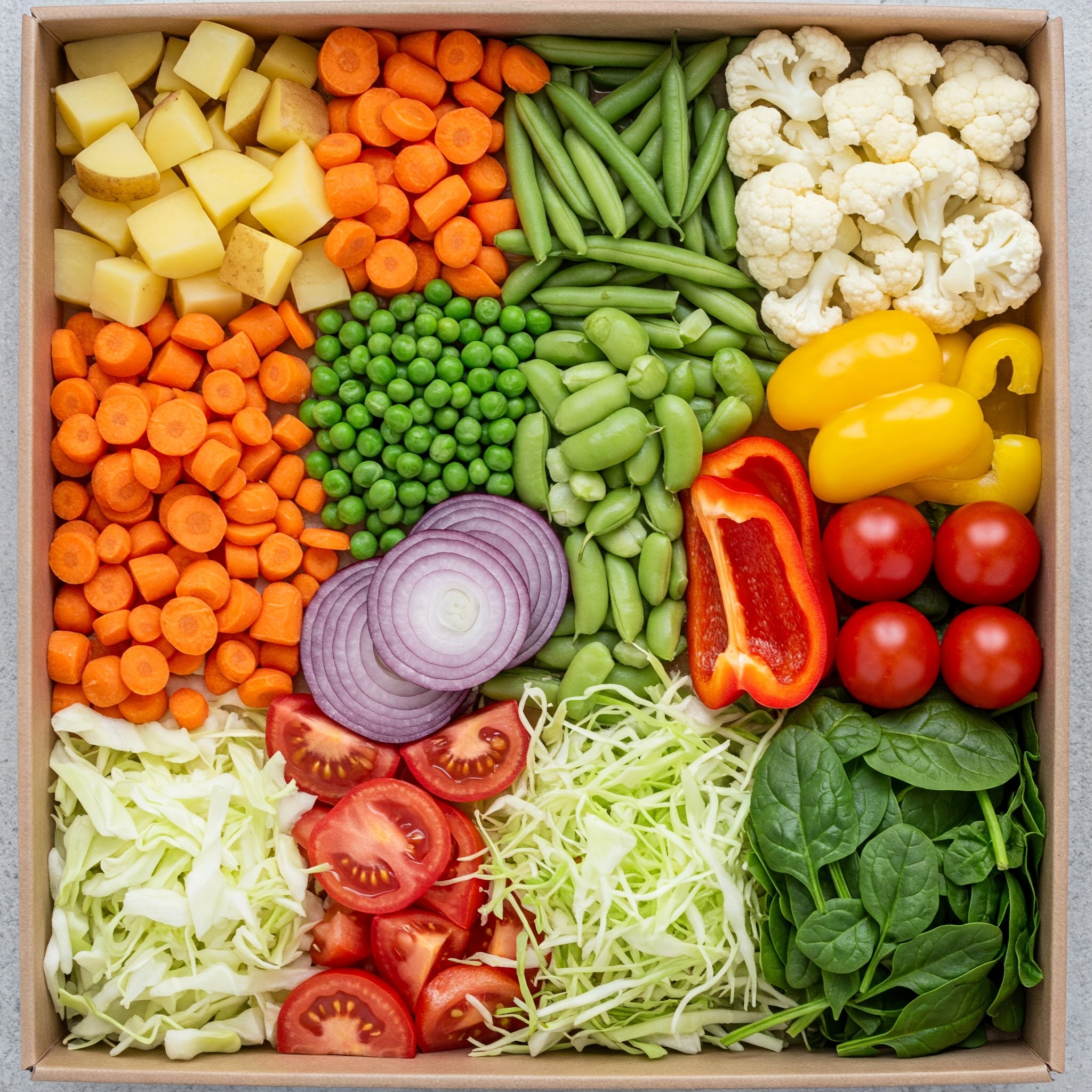
Vegetable Biryani Mix - 250gms
₹90 -14.29%
M.R.P. : ₹105
In Stock
Vegetable Biryani is a flavorful, fragrant rice dish that originates from the Indian subcontinent. It is a variation of the traditional Biryani, which is believed to have been brought to India by the Mughal Empire, who introduced the concept of layering rice with meat, spices, and saffron. Over time, the dish evolved to include a variety of regional adaptations, with the vegetarian version gaining popularity, especially among those who prefer plant-based diets. The use of mixed vegetables in biryani became common as it allowed for a balanced and nutritious meal, using locally available produce. The roots of biryani are said to trace back to Persia, where it was known as Pilaf (or Pilau), which spread to India via Central Asia and the Mughal Empire. The exact origin of vegetable biryani is unclear, but it is a modern adaptation found in homes and restaurants across India, Pakistan, Bangladesh, and other parts of South Asia.
Description
Ingredients:
For Rice:
1 ½ cups Basmati rice
4 cups water
1 bay leaf
2-3 cloves
1-2 green cardamom pods
1 cinnamon stick
1 tsp salt
For Vegetables:
1 medium potato, peeled and cubed
1 carrot, chopped
1 cup cauliflower florets
½ cup green peas
1 small capsicum (bell pepper), chopped
1 onion, thinly sliced
2 tomatoes, chopped
1 green chili, slit (optional)
For Biryani Masala:
2 tbsp vegetable oil or ghee
1 ½ tbsp ginger-garlic paste
1 tsp cumin seeds
1 tsp coriander powder
1 tsp cumin powder
1 tsp garam masala
½ tsp turmeric powder
1 tsp red chili powder
1 tbsp lemon juice
2 tbsp yogurt (optional for creaminess)
Salt to taste
Fresh coriander and mint leaves for garnish
For Layering:
2 tbsp fried onions (optional for garnish)
A few saffron strands soaked in 2 tbsp warm milk (optional for aroma and color)
Instructions:
Step 1: Cook the Rice
Rinse the basmati rice under cold water until the water runs clear to remove excess starch.
In a large pot, bring 4 cups of water to a boil.
Add bay leaf, cloves, cardamom, cinnamon, and salt to the boiling water.
Add the rinsed rice and cook for about 8-10 minutes, or until the rice is 70-80% cooked.
Drain the rice and set it aside.
Step 2: Prepare the Vegetable Masala
Heat oil or ghee in a large pan or pressure cooker over medium heat.
Add cumin seeds and let them splutter.
Add sliced onions and sauté until golden brown.
Add the ginger-garlic paste and cook for 1-2 minutes until fragrant.
Add chopped tomatoes, green chili, and cook until soft.
Add turmeric, red chili powder, coriander powder, cumin powder, and garam masala. Stir well to combine and cook for 2 minutes.
Add the chopped vegetables (potato, carrot, cauliflower, capsicum) and green peas. Stir to coat them in the spices.
Add salt, lemon juice, and yogurt (optional) and mix well.
Cover and cook for 5-8 minutes, stirring occasionally, until the vegetables are slightly tender but not overcooked.
Step 3: Layer the Biryani
In a large pot or pressure cooker, start layering the cooked vegetables and rice alternately. Begin with a layer of vegetables, then add a layer of rice. Repeat until all vegetables and rice are used up.
Drizzle saffron milk (if using) over the top layer of rice, followed by a few fresh coriander and mint leaves.
If using fried onions, sprinkle them on top for extra flavor and texture.
Step 4: Cook the Biryani
Cover the pot with a tight-fitting lid. If using a pressure cooker, don’t put the pressure valve on. Cook on low heat for 15-20 minutes to allow the flavors to blend.
Alternatively, you can cook it on a stovetop using the “Dum” method: Place the pot on low heat, and cook for about 20 minutes.
After the cooking time, let it rest for 5 minutes before opening the lid.
Step 5: Serve
Gently fluff the biryani with a fork to mix the layers.
Garnish with fresh coriander and mint leaves and serve hot with raita, pickle, or a side salad.
For Rice:
1 ½ cups Basmati rice
4 cups water
1 bay leaf
2-3 cloves
1-2 green cardamom pods
1 cinnamon stick
1 tsp salt
For Vegetables:
1 medium potato, peeled and cubed
1 carrot, chopped
1 cup cauliflower florets
½ cup green peas
1 small capsicum (bell pepper), chopped
1 onion, thinly sliced
2 tomatoes, chopped
1 green chili, slit (optional)
For Biryani Masala:
2 tbsp vegetable oil or ghee
1 ½ tbsp ginger-garlic paste
1 tsp cumin seeds
1 tsp coriander powder
1 tsp cumin powder
1 tsp garam masala
½ tsp turmeric powder
1 tsp red chili powder
1 tbsp lemon juice
2 tbsp yogurt (optional for creaminess)
Salt to taste
Fresh coriander and mint leaves for garnish
For Layering:
2 tbsp fried onions (optional for garnish)
A few saffron strands soaked in 2 tbsp warm milk (optional for aroma and color)
Instructions:
Step 1: Cook the Rice
Rinse the basmati rice under cold water until the water runs clear to remove excess starch.
In a large pot, bring 4 cups of water to a boil.
Add bay leaf, cloves, cardamom, cinnamon, and salt to the boiling water.
Add the rinsed rice and cook for about 8-10 minutes, or until the rice is 70-80% cooked.
Drain the rice and set it aside.
Step 2: Prepare the Vegetable Masala
Heat oil or ghee in a large pan or pressure cooker over medium heat.
Add cumin seeds and let them splutter.
Add sliced onions and sauté until golden brown.
Add the ginger-garlic paste and cook for 1-2 minutes until fragrant.
Add chopped tomatoes, green chili, and cook until soft.
Add turmeric, red chili powder, coriander powder, cumin powder, and garam masala. Stir well to combine and cook for 2 minutes.
Add the chopped vegetables (potato, carrot, cauliflower, capsicum) and green peas. Stir to coat them in the spices.
Add salt, lemon juice, and yogurt (optional) and mix well.
Cover and cook for 5-8 minutes, stirring occasionally, until the vegetables are slightly tender but not overcooked.
Step 3: Layer the Biryani
In a large pot or pressure cooker, start layering the cooked vegetables and rice alternately. Begin with a layer of vegetables, then add a layer of rice. Repeat until all vegetables and rice are used up.
Drizzle saffron milk (if using) over the top layer of rice, followed by a few fresh coriander and mint leaves.
If using fried onions, sprinkle them on top for extra flavor and texture.
Step 4: Cook the Biryani
Cover the pot with a tight-fitting lid. If using a pressure cooker, don’t put the pressure valve on. Cook on low heat for 15-20 minutes to allow the flavors to blend.
Alternatively, you can cook it on a stovetop using the “Dum” method: Place the pot on low heat, and cook for about 20 minutes.
After the cooking time, let it rest for 5 minutes before opening the lid.
Step 5: Serve
Gently fluff the biryani with a fork to mix the layers.
Garnish with fresh coriander and mint leaves and serve hot with raita, pickle, or a side salad.