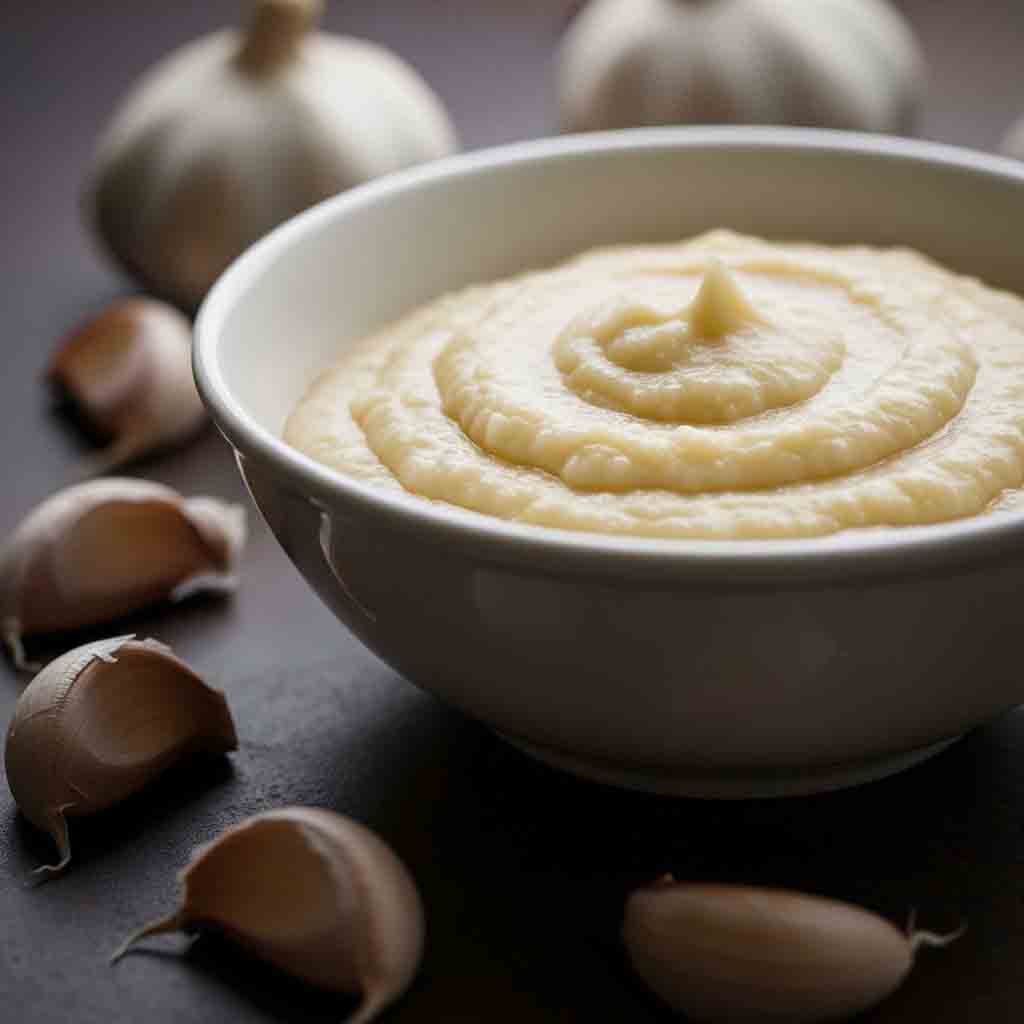
Garlic - Paste - 1kg
Velli ulli, Velli Paaya, Lahsun, Lasan వెల్లుల్లి, వెల్లుల్లిపాయ, लहसुन
₹200 -18.37%
M.R.P. : ₹245
In Stock
Garlic is a nutrient-rich vegetable celebrated for its strong antioxidant, antibacterial, and anti-inflammatory properties. It supports heart health, boosts immunity, helps regulate blood pressure, and may reduce the risk of chronic diseases. Its bold flavor also makes it a flavorful and healing addition to countless savory dishes.
Available Variants
Peeled - 1kg
₹2208% off
In Stock (10)
Peeled - 250gms
₹6022% off
In Stock (10)
Paste - 250gms
₹5023% off
In Stock (10)
Paste - 1kg
₹20018% off
In Stock (10)
Description
Garlic – A Potent Natural Medicine Rooted in Ancient Traditions and Backed by Modern Science
Garlic (Allium sativum) is far more than just a flavorful kitchen staple—it is a powerful functional food with a remarkable range of scientifically proven health benefits. Revered in ancient cultures from Egypt and Greece to India and China, garlic has long been used as both a culinary ingredient and a natural remedy. Today, garlic continues to stand out for its potent bioactive compounds, particularly allicin, which gives garlic its characteristic smell and many of its therapeutic effects. Whether consumed raw, cooked, aged, or as an extract, garlic contributes significantly to heart health, immune function, detoxification, metabolic balance, and disease prevention.
1. Cardiovascular Health and Cholesterol Management
Garlic is perhaps most renowned for its cardioprotective properties. Numerous studies have shown that regular garlic consumption can help lower total cholesterol, LDL (bad cholesterol), and triglyceride levels, while potentially raising HDL (good cholesterol). The sulfur-containing compounds in garlic improve blood vessel elasticity, support circulation, and reduce arterial plaque buildup, contributing to a lower risk of atherosclerosis, hypertension, and stroke.
Garlic also has mild blood-thinning effects, which can help prevent blood clots and enhance cardiovascular health, especially when consumed regularly as part of a heart-healthy diet.
2. Natural Immune System Booster
Garlic has long been valued for its ability to strengthen the immune system and fight infections. Allicin and other sulfur compounds have antiviral, antibacterial, antifungal, and antiparasitic properties. Garlic stimulates the activity of immune cells such as macrophages, lymphocytes, and natural killer (NK) cells, helping the body to mount a faster and stronger response to pathogens.
Studies suggest that daily garlic consumption may reduce the frequency, severity, and duration of common illnesses like colds and flu. Its immune-boosting potential makes garlic especially valuable during seasonal changes or periods of increased stress and exposure to illness.
3. Anti-Inflammatory and Antioxidant Defense
Garlic is rich in antioxidants like selenium, vitamin C, and various polyphenols, which help neutralize free radicals and reduce oxidative stress. Chronic inflammation is at the root of many modern diseases, including diabetes, arthritis, heart disease, and cancer, and garlic’s compounds may help modulate inflammatory pathways, thereby supporting long-term wellness.
Allicin, along with diallyl disulfide and S-allyl cysteine, plays a key role in reducing inflammation, making garlic a valuable addition to anti-inflammatory diets and protocols.
4. Cancer-Fighting Potential
Garlic is one of the most studied foods in cancer research. Population studies have found correlations between high garlic intake and a reduced risk of several cancers, particularly those of the digestive tract, such as stomach, colon, esophagus, and pancreatic cancer. The sulfur compounds in garlic may inhibit cancer cell growth, slow tumor development, and support the natural elimination of carcinogens from the body.
Garlic also promotes apoptosis, or the programmed death of damaged or cancerous cells, helping the body protect itself from the early stages of tumor formation.
5. Blood Sugar Regulation and Metabolic Support
Garlic has shown promise in improving insulin sensitivity and helping regulate blood glucose levels, particularly in individuals with type 2 diabetes or metabolic syndrome. Its antioxidant properties reduce oxidative stress, a key factor in insulin resistance, while its sulfur compounds help support liver function, detoxification, and hormonal balance.
Consuming garlic regularly can contribute to a more stable glycemic response, helping prevent blood sugar spikes and crashes.
6. Antibacterial and Antiviral Protection
Fresh garlic, especially when crushed or chopped, releases allicin—a potent compound with powerful antimicrobial properties. Garlic has been shown to inhibit the growth of bacteria such as E. coli, Salmonella, H. pylori, and Staphylococcus aureus. It also shows effectiveness against viruses responsible for respiratory infections and the flu.
This makes garlic an excellent natural remedy to include in immune-supportive meals and herbal remedies such as teas, broths, and tonics.
7. Detoxification and Liver Support
Garlic supports the body’s natural detoxification processes, especially in the liver. Its sulfur compounds stimulate the production of glutathione, a powerful antioxidant that helps the liver neutralize and excrete toxins. Garlic also enhances the activity of enzymes involved in detoxification pathways and helps reduce the accumulation of heavy metals and environmental pollutants.
Studies have even shown garlic to protect against organ damage caused by heavy metal toxicity, particularly lead.
8. Brain Health and Cognitive Protection
Garlic may support cognitive health and neuroprotection by reducing oxidative stress and inflammation in brain tissue. The antioxidants in garlic help protect brain cells from degeneration, while its anti-inflammatory effects may reduce the risk of neurodegenerative diseases such as Alzheimer’s and Parkinson’s disease.
Some studies suggest garlic may enhance memory, focus, and mental clarity, especially in aging populations, making it a valuable addition to brain-supportive nutrition plans.
9. Digestive Health and Gut Microbiome Balance
Garlic serves as a natural prebiotic, feeding beneficial gut bacteria that are essential for digestion, immunity, and mood regulation. By inhibiting harmful microbes and supporting the growth of good bacteria, garlic promotes a healthier gut microbiome and reduces the risk of dysbiosis, bloating, and gastrointestinal infections.
It also stimulates the production of gastric juices, aiding in smoother digestion and better absorption of nutrients.
10. Skin, Hair, and Anti-Aging Benefits
Due to its high antioxidant and anti-inflammatory content, garlic helps combat premature aging, supports clear skin, and may even stimulate hair growth. Garlic’s antimicrobial properties can help reduce acne and skin infections, while its sulfur-rich composition supports collagen synthesis, which contributes to skin elasticity and repair.
Culinary Flexibility and Cultural Importance
Garlic is a central ingredient in cuisines across the world—from Mediterranean and Indian to Middle Eastern, Asian, and Latin American cooking. Whether roasted whole, minced raw, sautéed in oil, or blended into sauces, garlic enhances food with its pungent, earthy flavor and nourishing properties.
It pairs well with countless herbs, spices, vegetables, and proteins, making it one of the most versatile and healthful ingredients in global cuisine.
Naturally Low in Calories and High in Nutrients
Despite its bold flavor, garlic is low in calories and fat while providing key nutrients such as vitamin B6, vitamin C, manganese, selenium, and calcium. Its nutrient density makes it an easy way to enhance both flavor and health without adding excessive calories or sodium.
Garlic (Allium sativum) is far more than just a flavorful kitchen staple—it is a powerful functional food with a remarkable range of scientifically proven health benefits. Revered in ancient cultures from Egypt and Greece to India and China, garlic has long been used as both a culinary ingredient and a natural remedy. Today, garlic continues to stand out for its potent bioactive compounds, particularly allicin, which gives garlic its characteristic smell and many of its therapeutic effects. Whether consumed raw, cooked, aged, or as an extract, garlic contributes significantly to heart health, immune function, detoxification, metabolic balance, and disease prevention.
1. Cardiovascular Health and Cholesterol Management
Garlic is perhaps most renowned for its cardioprotective properties. Numerous studies have shown that regular garlic consumption can help lower total cholesterol, LDL (bad cholesterol), and triglyceride levels, while potentially raising HDL (good cholesterol). The sulfur-containing compounds in garlic improve blood vessel elasticity, support circulation, and reduce arterial plaque buildup, contributing to a lower risk of atherosclerosis, hypertension, and stroke.
Garlic also has mild blood-thinning effects, which can help prevent blood clots and enhance cardiovascular health, especially when consumed regularly as part of a heart-healthy diet.
2. Natural Immune System Booster
Garlic has long been valued for its ability to strengthen the immune system and fight infections. Allicin and other sulfur compounds have antiviral, antibacterial, antifungal, and antiparasitic properties. Garlic stimulates the activity of immune cells such as macrophages, lymphocytes, and natural killer (NK) cells, helping the body to mount a faster and stronger response to pathogens.
Studies suggest that daily garlic consumption may reduce the frequency, severity, and duration of common illnesses like colds and flu. Its immune-boosting potential makes garlic especially valuable during seasonal changes or periods of increased stress and exposure to illness.
3. Anti-Inflammatory and Antioxidant Defense
Garlic is rich in antioxidants like selenium, vitamin C, and various polyphenols, which help neutralize free radicals and reduce oxidative stress. Chronic inflammation is at the root of many modern diseases, including diabetes, arthritis, heart disease, and cancer, and garlic’s compounds may help modulate inflammatory pathways, thereby supporting long-term wellness.
Allicin, along with diallyl disulfide and S-allyl cysteine, plays a key role in reducing inflammation, making garlic a valuable addition to anti-inflammatory diets and protocols.
4. Cancer-Fighting Potential
Garlic is one of the most studied foods in cancer research. Population studies have found correlations between high garlic intake and a reduced risk of several cancers, particularly those of the digestive tract, such as stomach, colon, esophagus, and pancreatic cancer. The sulfur compounds in garlic may inhibit cancer cell growth, slow tumor development, and support the natural elimination of carcinogens from the body.
Garlic also promotes apoptosis, or the programmed death of damaged or cancerous cells, helping the body protect itself from the early stages of tumor formation.
5. Blood Sugar Regulation and Metabolic Support
Garlic has shown promise in improving insulin sensitivity and helping regulate blood glucose levels, particularly in individuals with type 2 diabetes or metabolic syndrome. Its antioxidant properties reduce oxidative stress, a key factor in insulin resistance, while its sulfur compounds help support liver function, detoxification, and hormonal balance.
Consuming garlic regularly can contribute to a more stable glycemic response, helping prevent blood sugar spikes and crashes.
6. Antibacterial and Antiviral Protection
Fresh garlic, especially when crushed or chopped, releases allicin—a potent compound with powerful antimicrobial properties. Garlic has been shown to inhibit the growth of bacteria such as E. coli, Salmonella, H. pylori, and Staphylococcus aureus. It also shows effectiveness against viruses responsible for respiratory infections and the flu.
This makes garlic an excellent natural remedy to include in immune-supportive meals and herbal remedies such as teas, broths, and tonics.
7. Detoxification and Liver Support
Garlic supports the body’s natural detoxification processes, especially in the liver. Its sulfur compounds stimulate the production of glutathione, a powerful antioxidant that helps the liver neutralize and excrete toxins. Garlic also enhances the activity of enzymes involved in detoxification pathways and helps reduce the accumulation of heavy metals and environmental pollutants.
Studies have even shown garlic to protect against organ damage caused by heavy metal toxicity, particularly lead.
8. Brain Health and Cognitive Protection
Garlic may support cognitive health and neuroprotection by reducing oxidative stress and inflammation in brain tissue. The antioxidants in garlic help protect brain cells from degeneration, while its anti-inflammatory effects may reduce the risk of neurodegenerative diseases such as Alzheimer’s and Parkinson’s disease.
Some studies suggest garlic may enhance memory, focus, and mental clarity, especially in aging populations, making it a valuable addition to brain-supportive nutrition plans.
9. Digestive Health and Gut Microbiome Balance
Garlic serves as a natural prebiotic, feeding beneficial gut bacteria that are essential for digestion, immunity, and mood regulation. By inhibiting harmful microbes and supporting the growth of good bacteria, garlic promotes a healthier gut microbiome and reduces the risk of dysbiosis, bloating, and gastrointestinal infections.
It also stimulates the production of gastric juices, aiding in smoother digestion and better absorption of nutrients.
10. Skin, Hair, and Anti-Aging Benefits
Due to its high antioxidant and anti-inflammatory content, garlic helps combat premature aging, supports clear skin, and may even stimulate hair growth. Garlic’s antimicrobial properties can help reduce acne and skin infections, while its sulfur-rich composition supports collagen synthesis, which contributes to skin elasticity and repair.
Culinary Flexibility and Cultural Importance
Garlic is a central ingredient in cuisines across the world—from Mediterranean and Indian to Middle Eastern, Asian, and Latin American cooking. Whether roasted whole, minced raw, sautéed in oil, or blended into sauces, garlic enhances food with its pungent, earthy flavor and nourishing properties.
It pairs well with countless herbs, spices, vegetables, and proteins, making it one of the most versatile and healthful ingredients in global cuisine.
Naturally Low in Calories and High in Nutrients
Despite its bold flavor, garlic is low in calories and fat while providing key nutrients such as vitamin B6, vitamin C, manganese, selenium, and calcium. Its nutrient density makes it an easy way to enhance both flavor and health without adding excessive calories or sodium.